



Abdimas REBORN: The Nusantara Sustainable Circle (Premium Tea Heritage, Authentic Nusantara Gastronomy, and Artisanal Crafting) at RPTRA Bhinneka
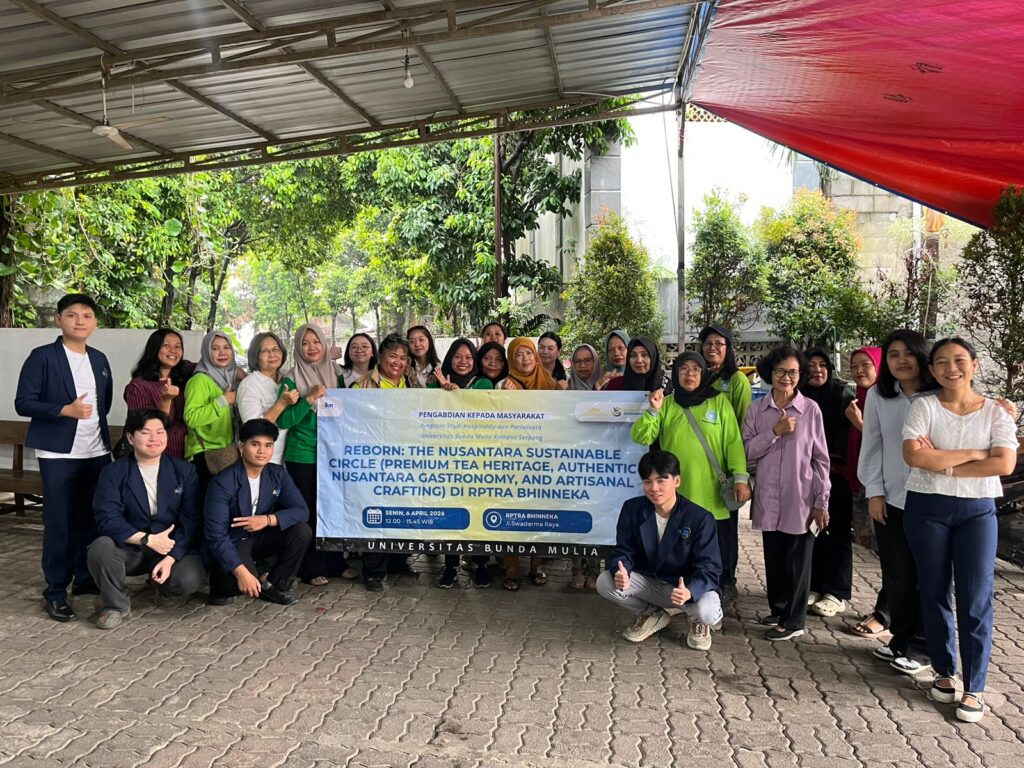
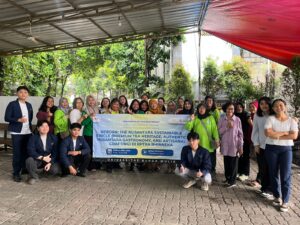
Bunda Mulia University, through its Community Service program, successfully held a program themed “REBORN: The Nusantara Sustainable Circle (Premium Tea Heritage, Authentic Nusantara Gastronomy, and Artisanal Crafting)” at RPTRA Bhinneka. This activity is a concrete manifestation of academics’ contribution to the preservation and development of Nusantara cultural heritage based on sustainability. This program was motivated by the declining public interest and understanding of Nusantara tea traditions, authentic culinary delights, and local handicrafts amidst the current of globalization. Through an educational and participatory approach, this activity aims to increase public awareness, knowledge, and skills in managing cultural potential into creative economic opportunities. The series of activities included workshops, training, and community mentoring covering three main programs, namely premium tea heritage, authentic Nusantara gastronomy, and artisanal crafting. Participants from various groups, ranging from children to MSMEs, were actively involved in each session which was designed interactively and based on practice. Through this activity, participants not only gained an understanding of Indonesian tea serving techniques and traditional culinary processing, but also learned to develop handicrafts based on local materials that have aesthetic and economic value. Furthermore, this activity also strengthened social interaction, intergenerational collaboration, and the value of mutual cooperation within the community. Evaluation results showed a high level of participant satisfaction, with assessments for educational, objective, accountable, and transparent aspects ranging from good to very good. The majority of participants considered this activity useful, inspiring, and relevant to their needs. This activity also integrated theory and practice from courses in Tourism Marketing, Restaurant and Banquet Management, and Tourism Business Standards at Bunda Mulia University. Thus, the program not only focused on cultural preservation but also on strengthening the community’s capacity to develop cultural products as potential businesses and tourist attractions. Going forward, Bunda Mulia University is committed to continuing to develop similar programs by increasing the duration, expanding the reach of participants, and collaborating with various parties. This program is expected to become a model for sustainable culture-based community empowerment and make a real contribution to improving community welfare.
 e
e