



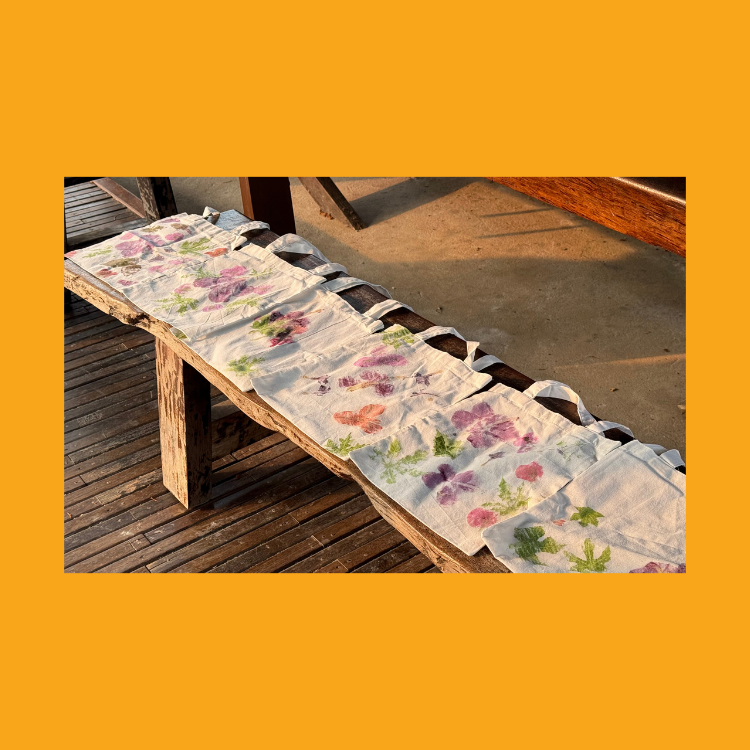
Jakarta, November 24, 2026 – Bunda Mulia University (UBM), through its Student Affairs Division, held an Eco-Printing activity at the Angke Mangrove Nature Tourism Park (TWA) – PIK, North Jakarta. This activity was held as a forum to encourage creativity and increase student awareness of the importance of preserving the environment through various educational and inspirational activities. One of these activities was realized through the Eco-Printing activity, a creative activity that combines elements of art, innovation, and environmental awareness.
Eco-printing is a technique for printing natural motifs onto fabric using various plant parts, such as leaves and flowers. Through this technique, participants can create unique patterns and colors using natural materials readily available in their environment. Besides providing a new creative experience, this activity also introduces more environmentally friendly alternatives to natural resource use.
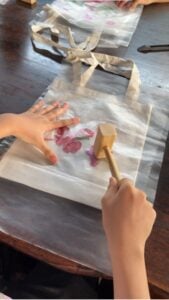
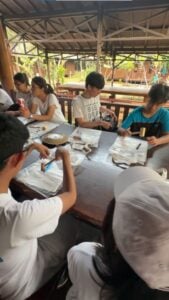
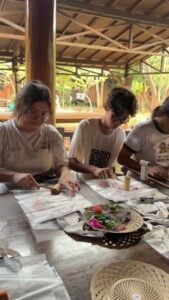
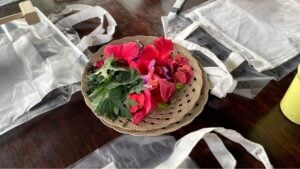
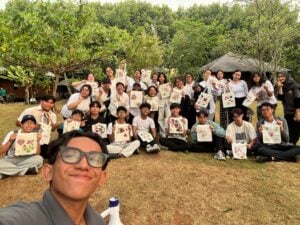
The Eco-Printing activity began with participants occupying the space provided, complete with various equipment such as flowers, leaves, clear plastic, cloth tote bags , hammers, and brushes. Next, participants were directed to arrange the flowers and leaves according to their respective patterns and creativity on one side of the cloth tote bag. After the pattern was formed, the flowers and leaves were covered with clear plastic, then gently tapped with a hammer until the natural color pigments from the plants transferred and formed a pattern on the surface of the tote bag. After the printing process was complete, participants cleaned off the remaining flowers and leaves that were stuck to the cloth. As a closing, all participants and the committee took a group photo session to immortalize the moment of the activity.
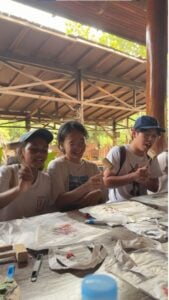
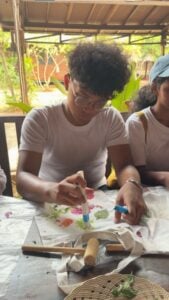
Through each stage of the activity, participants are given the opportunity to explore their creativity while also learning about the potential of natural materials easily found in their surroundings. This activity not only focuses on the process of creating works of aesthetic value, but also serves as a means to raise awareness of the importance of adopting a sustainable lifestyle. By utilizing flowers and leaves as the main materials in their works, participants are expected to understand that simple natural resources can be processed into something useful. Furthermore, this activity is expected to encourage students to be more wise in utilizing natural resources and reduce dependence on synthetic materials in their daily lives.
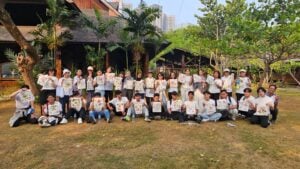
Through this activity, Bunda Mulia University hopes that students will not only gain new experiences and skills, but also develop creative and innovative mindsets and an awareness of the importance of implementing sustainable lifestyle principles in their daily lives. Thus, small steps initiated through this simple activity are expected to foster sustainable habits and contribute significantly to creating a more sustainable environment.
Bunda Mulia University
Bridging Education To The Real World