
Monitoring of OJT Students in Bali: Improving Professional Skills in the Hospitality and Tourism Industry
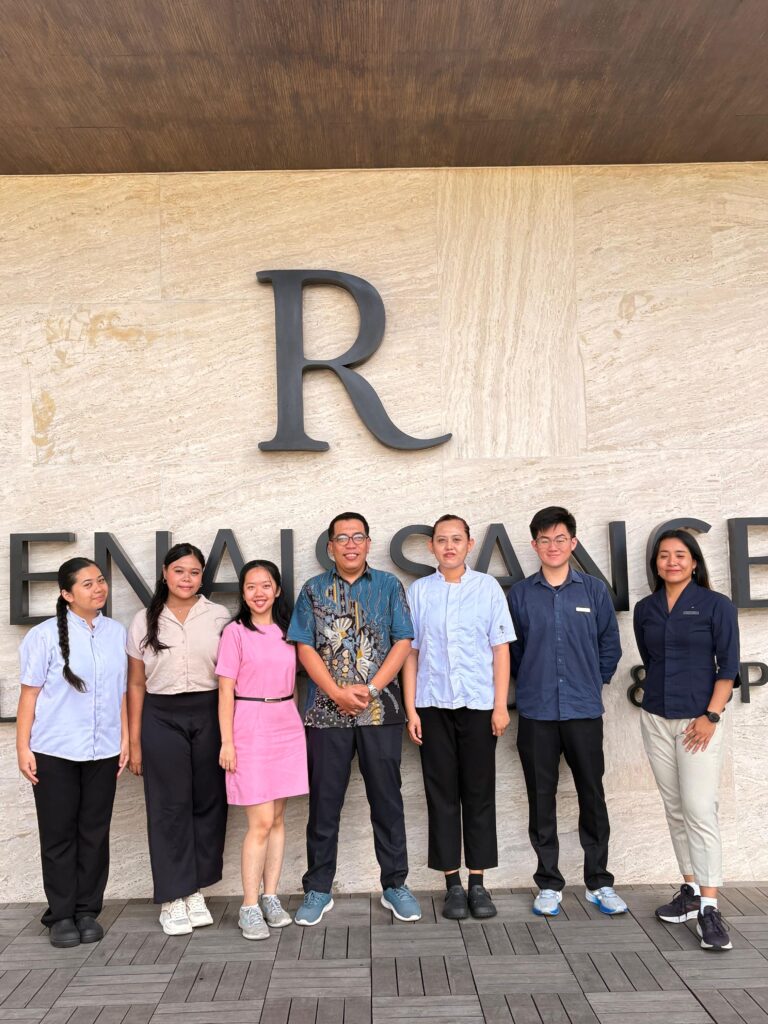
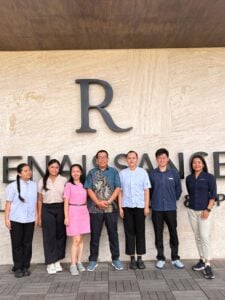
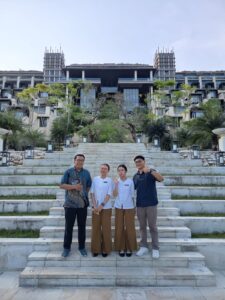
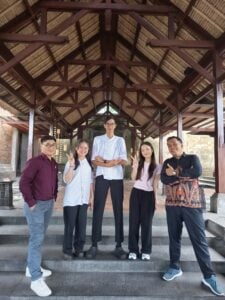
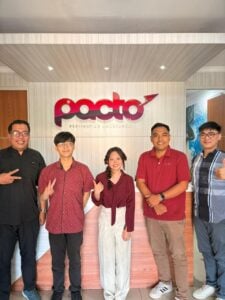
Bali, Indonesia – From October 15 to 17, 2025, the Hospitality and Tourism study program at [University Name] conducted a business trip to monitor students undergoing On-the-Job Training (OJT) at various renowned hotels and tourism facilities in Bali. This activity aimed to ensure that students can apply the knowledge and skills they have gained during their studies and to evaluate their adaptation to the real-world hospitality and tourism industry.
Involved Lecturers and Partner Hotels
The lecturers involved in this monitoring activity were Sir Yudhiet Fajar Dewantara and Sir Prayogo Susuanto. They visited 13 hotels and tourism facilities that are OJT partners, including world-renowned hotels in Bali. Some of the hotels visited include:
-
Element by Westin Bali
-
Renaissance Bali Uluwatu Resort & Spa
-
The Ritz-Carlton, Bali
-
Anantara Uluwatu Bali Resort
-
Holiday Inn Bali Resort Nusa Dua
-
The Apurva Kempinski Bali
-
The Westin Resort and Spa Ubud Bali
-
Mandapa, a Ritz-Carlton Reserve
-
Padma Resort Ubud
-
Hilton Garden Inn Bali Ngurah Rai Airport
-
The Meru Sanur & Bali Beach Hotel
-
Pacto Inbound Bali Office
-
Aryaduta Kuta Bali
Student Performance and Adaptation
During this business trip, the lecturers conducted direct observations of students placed at various hotels and tourism facilities. Overall, most students showed positive progress in adapting to fast-paced and dynamic work environments. They were able to interact well with colleagues and hotel guests and complete the tasks assigned to them with a high level of professionalism.
However, challenges remained, especially for students placed in hotels with extremely high service standards, such as The Ritz-Carlton, Bali and Anantara Uluwatu Bali Resort. Some students initially struggled with taking the initiative and handling unforeseen situations, which resulted in delays in completing tasks or difficulties in decision-making. This was largely due to a lack of experience and self-confidence.
Significant Improvement and Skill Enhancement
Despite these challenges, over time and after receiving direct guidance from mentors at each OJT location, many students showed significant improvement. They became more confident and proactive in taking on larger roles in hotel and tourism operations.
Some students even showed remarkable improvements in communication skills, event management, customer service, and tourism facility management. This indicates that they were not only able to adapt to the work culture but also enhanced the quality of service they provided to guests and visitors.
Ongoing Evaluation for OJT Program Development
While many students have successfully adapted, some still require more time and guidance to fully master their tasks. Therefore, continuous evaluation of this OJT program is crucial so that students can continue to grow and contribute effectively in the future.
This monitoring activity also provides valuable insights for the further development of the OJT program in the future. With input and evaluations from lecturers and industry mentors, it is hoped that students will be better prepared to face challenges in the hospitality and tourism industries and be able to compete in an increasingly competitive global market.