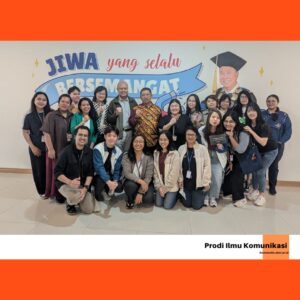
Serpong, 31 Oktober 2025 — Program Studi Ilmu Komunikasi Universitas Bunda Mulia (UBM) Kampus Serpong menyelenggarakan Semiloka Dosen bertajuk “Transformasi Pemerintahan: Membangun Legitimasi Publik melalui Strategi Digital” pada Jumat (31/10) di ruang 1103 lantai 11 UBM Tower. Kegiatan ini menghadirkan Prof. Dr. M.R. Khairul Muluk, M.Si — akademisi dan pakar tata kelola pemerintahan dari Universitas Brawijaya sekaligus Ketua Lembaga Akreditasi Mandiri Sains Politik, Administrasi, dan Komunikasi (LAMSPAK) periode 2023–2028 — sebagai narasumber.
Serpong, October 31, 2025 — The Communication Science Study Program of Universitas Bunda Mulia (UBM), Serpong Campus, held a Faculty Seminar-Workshop titled “Government Transformation: Building Public Legitimacy through Digital Strategies” on Friday (31/10) in Room 1103, 11th Floor of the UBM Tower. The event featured Prof. Dr. M.R. Khairul Muluk, M.Si, an academic and expert in public governance from Universitas Brawijaya, as well as the Chair of the Independent Accreditation Agency for Political Science, Public Administration, and Communication (LAMSPAK) for the 2023–2028 period, as the keynote speaker.
Mengulas Dinamika Legitimasi Publik di Era Digital
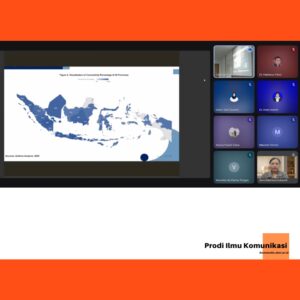
Dalam paparannya, Prof. Muluk menegaskan bahwa legitimasi publik kini tidak lagi hanya dibangun melalui kebijakan dan kinerja birokrasi, tetapi juga melalui kemampuan pemerintah dalam berkomunikasi secara transparan, partisipatif, dan responsif dengan warga. “Di era keterbukaan informasi, kepercayaan publik terhadap lembaga pemerintahan sangat dipengaruhi oleh kualitas komunikasi digital dan pengelolaan data publik,” ujarnya. Beliau juga menyoroti hasil UN E-Government Survey 2024, di mana Indonesia menempati peringkat ke-64 dunia dalam indeks pengembangan pemerintahan digital. Peningkatan tersebut menunjukkan kemajuan signifikan, namun tantangan masih ada terutama pada aspek integrasi data, keamanan privasi, dan literasi digital ASN.
Examining the Dynamics of Public Legitimacy in the Digital Era
In his presentation, Prof. Muluk emphasized that public legitimacy is no longer built solely through policies and bureaucratic performance, but also through the government’s ability to communicate transparently, participatively, and responsively with citizens.
“In the era of information openness, public trust in government institutions is strongly influenced by the quality of digital communication and public data management,” he stated. He also highlighted the results of the UN E-Government Survey 2024, in which Indonesia ranked 64th globally in the digital government development index. While this improvement reflects significant progress, challenges remain, particularly in data integration, privacy and security, and the digital literacy of civil servants.
Peran Komunikasi Digital dalam Tata Kelola Pemerintahan
Melalui konsep Dynamic Governance dan Digital Governance, Prof. Muluk menjelaskan bagaimana birokrasi modern perlu menjadi lebih lincah (agile), berorientasi pada bukti (evidence-based), dan berpikir lintas batas (thinking across) untuk menghadapi kompleksitas global seperti perubahan iklim, urbanisasi, dan transformasi teknologi. Beliau juga memaparkan prinsip desain strategi digital yang perlu diterapkan pemerintah, yakni user-centric design, open by default, privacy by design, dan capacity building bagi aparatur sipil negara.
The Role of Digital Communication in Government Governance
Through the concepts of Dynamic Governance and Digital Governance, Prof. Muluk explained how modern bureaucracies must become more agile, evidence-based, and capable of thinking across boundaries to address global complexities such as climate change, urbanization, and technological transformation. He also outlined key principles in designing government digital strategies, including user-centric design, open by default, privacy by design, and capacity building for civil servants.
Ruang Refleksi Akademik bagi Dosen UBM
Kegiatan ini diikuti oleh dosen-dosen tetap dari Kampus Serpong dan secara online oleh dosen-dosen Prodi Ilmu Komunikasi dari Kampus Ancol, dengan tujuan memperluas wawasan akademik dosen dalam memahami praktik komunikasi pemerintahan di era digital. Anis Hamidati, Ph.D, Sekretaris Program Studi Ilmu Komunikasi sekaligus penanggung jawab kegiatan, menyampaikan bahwa semiloka ini merupakan bagian dari upaya prodi untuk mengintegrasikan isu-isu aktual dalam pengajaran dan penelitian dosen, khususnya terkait komunikasi publik, kepercayaan digital, dan kebijakan berbasis data.
“Diskusi ini penting agar para dosen dapat menyesuaikan arah riset dan pengajaran dengan kebutuhan masyarakat yang semakin digital dan partisipatif,” ujar Anis.
A Space for Academic Reflection for UBM Faculty
The seminar-workshop was attended by permanent faculty members from the Serpong Campus and, online, by Communication Science faculty from the Ancol Campus. The activity aimed to broaden faculty members’ academic perspectives on the practice of government communication in the digital era. Anis Hamidati, Ph.D, Secretary of the Communication Science Study Program and the person in charge of the event, stated that the seminar-workshop was part of the program’s effort to integrate current issues into teaching and research, particularly those related to public communication, digital trust, and data-driven policymaking.
“This discussion is important so that lecturers can align their research and teaching directions with the needs of a society that is increasingly digital and participatory,” Anis explained.
Membangun Kolaborasi Akademik dan Praktik Pemerintahan Modern
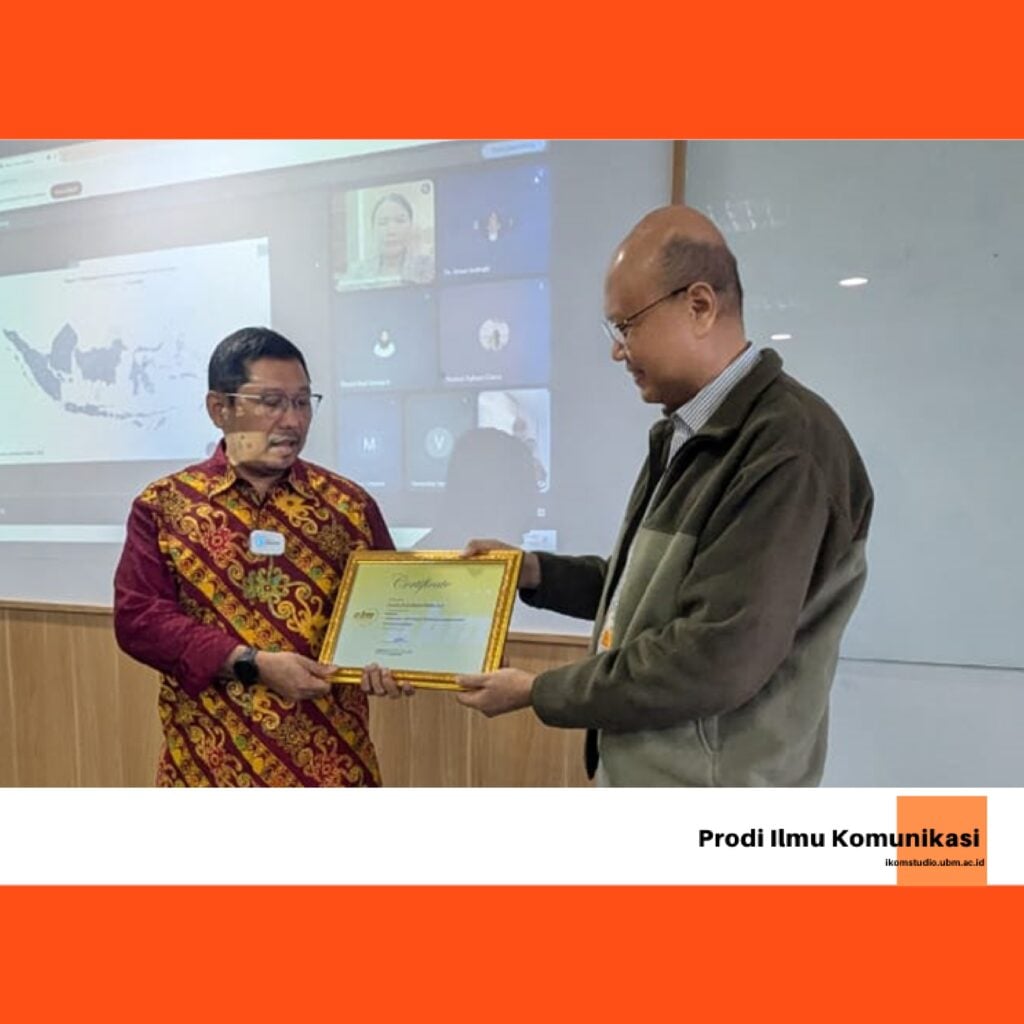
Melalui semiloka ini, UBM berharap dapat menjadi jembatan antara dunia akademik dan praktik tata kelola pemerintahan modern. Diskusi yang berlangsung interaktif menghasilkan berbagai ide kolaboratif untuk riset dan kegiatan pengabdian masyarakat di bidang komunikasi pemerintahan dan transformasi digital. Kegiatan ditutup dengan sesi tanya jawab dan penyerahan plakat kepada narasumber oleh Dekan Fakultas Ilmu Sosial dan Humaniora.
Building Academic Collaboration and Modern Government Practice
Through this seminar-workshop, UBM hopes to serve as a bridge between the academic world and modern government governance practices. The interactive discussions generated various collaborative ideas for research and community service activities in the fields of government communication and digital transformation. The event concluded with a question-and-answer session and the presentation of a commemorative plaque to the keynote speaker by the Dean of the Faculty of Social Sciences and Humanities.